
Frameless Glass Railing Boosts Home Value - BUT - How to Choose the Right Installer
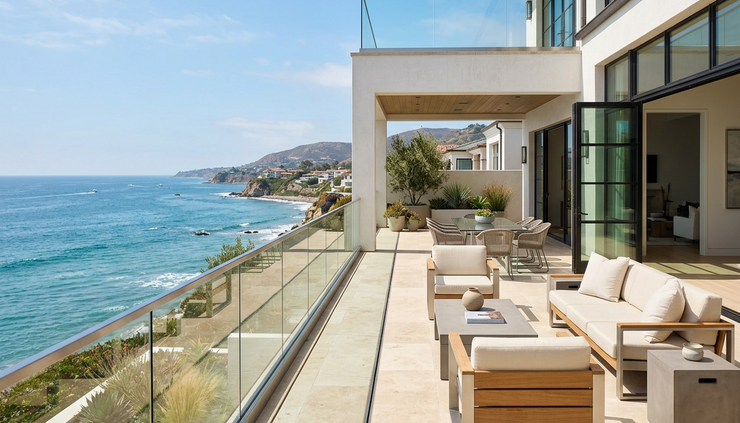
A frameless glass railing can make a home feel more open, more refined, and more valuable within a single project. It clears the view, brings in more light, and gives decks, balconies, staircases, and pool areas a clean architectural finish.
But this is not a simple glass job.
Done right, frameless glass can become one of the most memorable features of a property. Done poorly, it can lead to leaks, cracked panels, rusting hardware, failed inspections, safety concerns, and expensive rework. The difference often comes down to one decision, choosing a true specialist rather than a company that only treats glass as glass.
Why frameless glass can increase property value
Home value is not only about square footage and finishes. It is also about first impressions. Buyers often respond to spaces that feel bigger, brighter, safer, and better maintained. Frameless glass supports all four.
The most obvious benefit is the view. Traditional pickets, posts, and bulky frames can break up sightlines. Glass creates a clean edge without visually closing off the space. On a balcony, rooftop terrace, waterfront deck, or interior staircase, that can make the home feel more open and more expensive.
A well-installed glass railing also signals that the property has been upgraded with care. It fits with modern architecture, coastal homes, luxury remodels, and high-end outdoor living spaces. Even in a more traditional home, glass can create contrast without looking out of place when it is designed correctly.
A few value-building benefits stand out:
Better visual flow
Rooms and outdoor areas feel connected instead of boxed in. This is especially useful around patios, stairs, balconies, and pool decks.
More natural light
Glass allows light to pass through areas where solid barriers would create shade or visual weight.
A cleaner luxury finish
Frameless systems are often associated with premium homes because they require precise planning, quality materials, and skilled installation.
A safer barrier without a heavy look
Properly specified tempered or laminated glass can provide protection while keeping the design light and open.
Glass railing can help a home stand out in listing photos and in person. Buyers may not know the engineering behind it, but they notice the effect right away.
The safety benefit is real when the system is built correctly
Frameless glass is not only about appearance. Safety is one of the main reasons homeowners choose it.
Around a balcony or elevated deck, glass creates a continuous barrier that is difficult to climb compared with some horizontal railing styles. Around a pool, it can help separate areas without making the yard feel closed off. On an interior staircase, it can protect the open side while keeping the space bright.
The key phrase is built correctly.
A safe system depends on the right glass, the right hardware, the right setting method, and the right engineering for the location. The installer must account for height, wind exposure, building codes, use case, edge conditions, drainage, substrate strength, and fastener type.
This matters everywhere, but it is especially critical in states like Florida, where hurricane conditions and local code requirements can affect material selection and hardware design. A system that looks good in a showroom may not be acceptable for a high-wind coastal property.
When evaluating frameless glass, the question should not be, “Can someone install panels here?” The better question is, “Has this system been specified and engineered for this exact location?”

The costly downside of getting frameless glass wrong
Frameless glass is a high-end finish, and high-end finishes punish shortcuts. A low bid may look appealing at first, but poor installation can cost far more than the savings.
Common problems include:
Panels that wobble or feel unsafe
Glass that was not specified for the span, height, or exposure
Hardware that stains, corrodes, or loosens
Water intrusion at penetrations or mounting points
Cracked tile or stone from improper drilling
Failed inspections due to missing engineering or incorrect hardware
Replacement panels that do not match the originals
Delays caused by custom glass being measured or ordered incorrectly
The repair process can be painful because glass is often custom fabricated. If a panel is wrong, it may need to be remade. If the mounting system is wrong, the finished surface may need to be opened up. If waterproofing was damaged, the problem may not appear until later, when the repair is more invasive.
This is why price should never be the deciding factor with frameless glass. It can be a price factor, of course. Budgets matter. But choosing the cheapest installer for a custom safety barrier is a risky way to save money.
A bad installation can affect more than appearance. It can affect property value, safety, insurance concerns, inspections, and future resale confidence. A buyer may admire frameless glass when it looks solid and well cared for. That same buyer may see liability if panels rattle, hardware is rusted, or paperwork is missing.
How to choose the right company for frameless glass railing
The best installer is not always the company that says yes the fastest. It is the company that asks the right questions before giving a final proposal.
Frameless glass requires coordination between design, fabrication, structural support, waterproofing, code compliance, and installation. That is why homeowners should look for a specialist, not just a plain glazier who occasionally installs glass panels.
Companies like Ergo Glass in Tampa, FL, are examples of the type of specialist homeowners often look for in this category: a company focused on frameless glass systems, installation details, and code-aware project management rather than treating the work as a basic glass order.
Here is what to check before signing.
Confirm the company has a real general contractor license
A general contractor license matters because this kind of work can involve structure, waterproofing, exterior conditions, and code compliance. The installer should be able to provide the license holder’s name and GC license number.
Do not stop there. Verify the license on the official state licensing website. In Florida, that means the Florida Department of Business and Professional Regulation, commonly known as `DBPR`. Some people mistakenly call it FDBR, but the official licensing search is through DBPR.
A license number printed on a proposal is not enough. Search it yourself and confirm the license is active, matches the company or qualifying person, and applies to the work being performed.
Make sure the general contractor is actually managing the job
Some companies use a license holder as a figurehead. That is a problem.
Ask who the general contractor is. Ask whether that person will be involved in your project. Ask if you can speak with them before work begins. If the answer is vague, slow, or evasive, that is a warning sign.
A real GC should be able to discuss the project in plain language:
What system will be used
How the glass will be mounted
What substrate the hardware will attach to
Whether engineering is needed
How water intrusion will be prevented
What code issues apply to the location
If the only person you can reach is a salesperson, keep asking questions.
Ask how the glass will be specified
Not all glass is the same. A frameless railing system may require tempered glass, laminated glass, or laminated tempered glass depending on the design and code requirements. Thickness, height, panel width, edge finish, and installation method all matter.
The company should explain why the selected glass is appropriate. The answer should be specific to the project, not a generic statement like “This is what we always use.”
Ask:
What type of safety glass is being used?
What thickness is specified?
Is the glass laminated, tempered, or both?
Are the panel sizes appropriate for wind load and attachment method?
What happens if a panel breaks?
A good specialist will welcome these questions. A weak installer may treat them as an annoyance.

Require engineered and stamped hardware when needed
The glass may get most of the attention, but the hardware carries the system. Base shoes, standoffs, clamps, anchors, fasteners, and waterproofing details must work together.
For exterior installations, especially in Florida and other coastal or high-wind areas, ask whether the hardware is engineered and stamped for the site conditions. This is not a decorative choice. It is a safety and code issue.
The installer should be able to discuss:
Wind load requirements
Approved hardware systems
Anchor type and embedment
Stainless steel grade or corrosion resistance
Drainage and waterproofing details
Engineering documents when required
If the company cannot explain the hardware, the installation may be based on guesswork.
Look for past work, awards, and real customer references
Awards do not replace licensing, engineering, or experience. They can still support the overall picture. A company that has won credible industry recognition may have a track record of better workmanship or design quality.
Past customer access may be even more helpful. Ask to speak with previous clients who had similar projects. Photos are useful, but conversations reveal more.
Ask past customers:
Was the company clear about schedule and cost?
Did the final result match the proposal?
Were there inspection or code issues?
How did the company handle problems?
Does the railing still feel solid after use?
Would they hire the company again?
A strong company should not hesitate to connect you with real references, assuming those customers have agreed to be contacted.
What a quality installation process should look like
A professional frameless glass project should feel organized from the start. The company should not rush from estimate to installation without careful planning.
A typical quality process includes an on-site evaluation, field measurements, discussion of code requirements, review of mounting surfaces, hardware selection, glass specification, customer approval, fabrication, installation, and final inspection.
The most important early step is evaluating the mounting condition. Glass railing systems need a strong base. If the deck, slab, beam, tile assembly, or stair structure is not suitable, the installer must address that before ordering glass. This may require coordination with a general contractor, engineer, waterproofing specialist, or builder.
Watch for installers who measure quickly and give a final price without asking about structure or code. That approach may work for a mirror or shower panel. It is not enough for a frameless railing system.
A careful installer should also explain tolerances. Homes are not perfectly square. Stairs vary. Deck surfaces slope. Tile and stone may have irregularities. Frameless glass is unforgiving because there are fewer visual elements to hide imperfections. The cleaner the design, the more precise the installation must be.
Maintenance keeps the value visible
Frameless glass is relatively easy to maintain, but it is not maintenance-free. Clear glass shows salt, hard water, fingerprints, pollen, and dust. Hardware can also suffer if it is neglected, especially near salt air or pools.
A simple maintenance routine helps protect the investment:
Rinse exterior glass after heavy salt exposure or storms
Clean with non-abrasive products
Avoid harsh chemicals that can damage hardware finishes
Inspect hardware for movement, staining, or corrosion
Keep drainage paths clear around base shoes or channels
Call the installer if panels shift, rattle, or crack
Do not ignore small changes. A slight movement or new noise may be easy to correct early. Waiting can allow fasteners to loosen, water to enter, or stress to build in the glass.
For coastal homes, maintenance should be more frequent. Salt air is hard on metal, even quality stainless steel. The right hardware reduces the risk, but regular cleaning still matters.

The right installer protects the investment
Frameless glass can be one of the smartest visual upgrades for a home. It improves views, adds safety, and gives the property a polished high-end feel. That can support resale appeal and make everyday spaces more enjoyable.
The risk is not the glass itself. The risk is hiring the wrong company.
Choose a specialist with real experience in frameless systems. Verify the general contractor license. Confirm the company is listed with the proper state licensing agency, such as Florida’s DBPR. Ask for the GC’s name and license number. Make sure that person is truly involved. Review the glass specifications. Require engineered, stamped hardware where your location demands it. Look at awards, but do not rely on awards alone. Speak with past customers.
Most of all, do not let the lowest price make the decision. A well-built frameless glass railing feels solid, looks clean, and adds long-term value. A poorly built one can become an expensive lesson hidden behind a beautiful view.

Comments